
Catalog order
Order the current Mischioff carpet catalog!











inspiration
The Berber tradition
Marouk MK50
The Berber tribes once populated the northern coast of Africa. Continuous conquests by Phoenicians, Romans, Byzantines and Arabs forced the Berbers to retreat into the hinterland and mountains. Today the Berbers live in numerous North African countries. A lot was lost. Their former language, Berber, is now rarely spoken, their religion has become Islam, but what the Berbers have retained over the centuries is their distinctive culture, which is repeatedly expressed in handicrafts. Carpet weaving is probably the world's most famous craft.
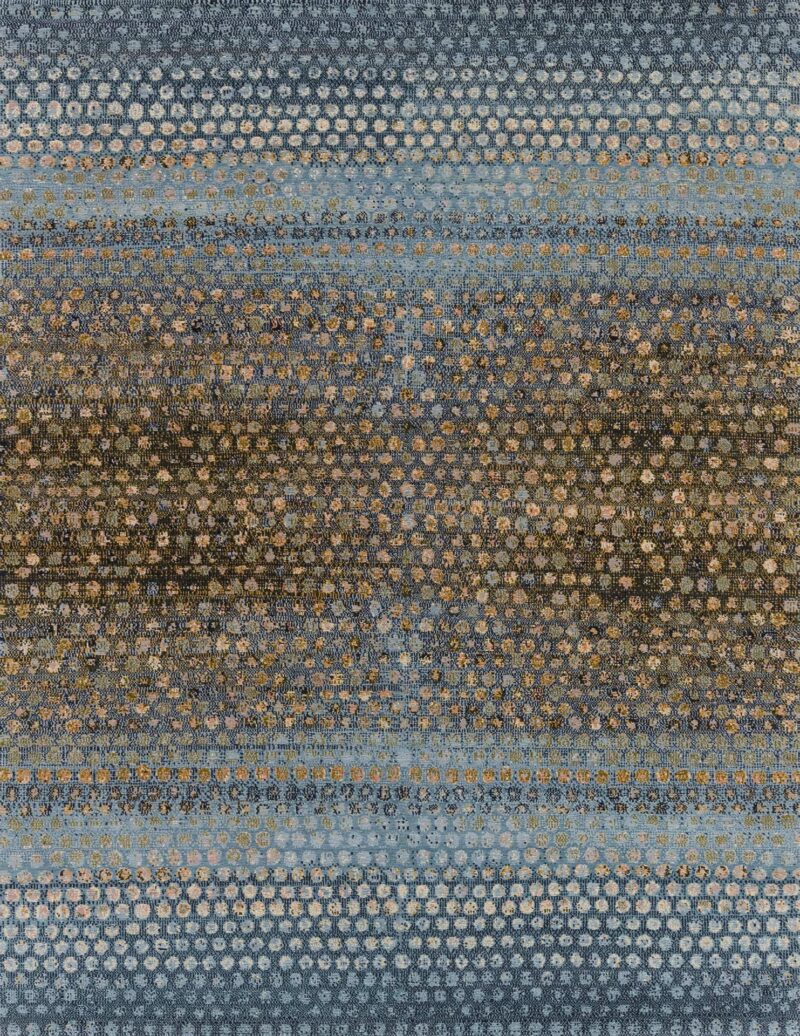
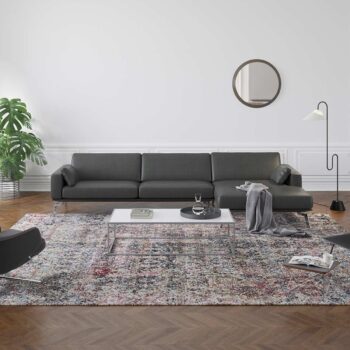
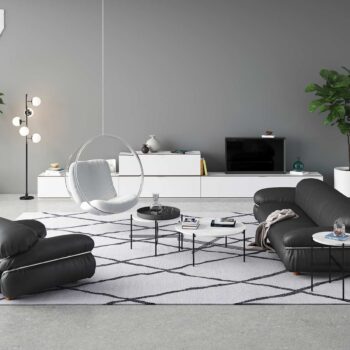
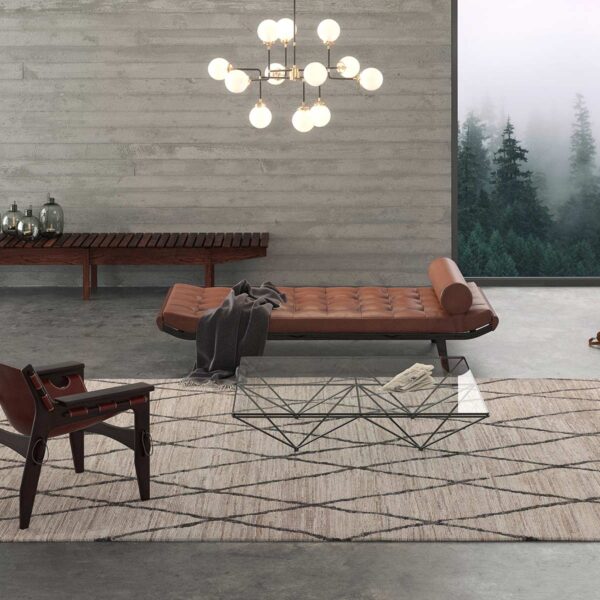
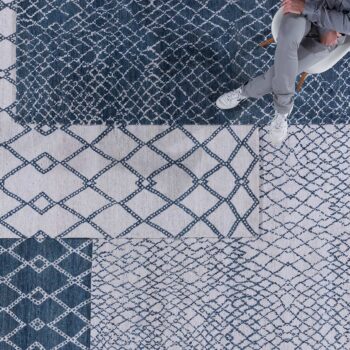
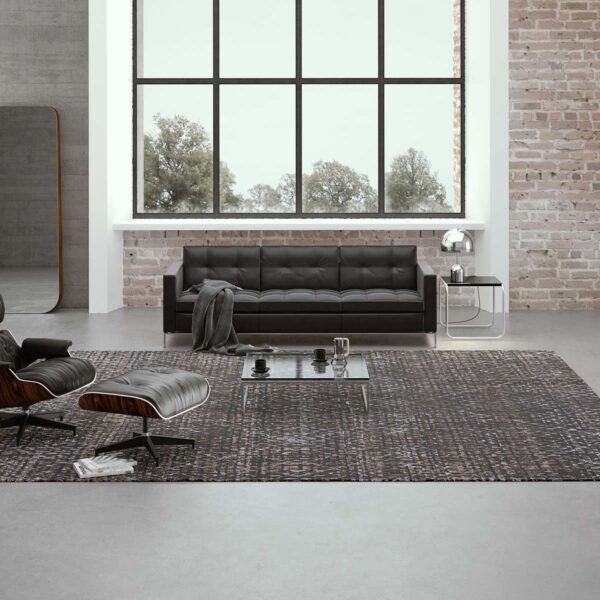
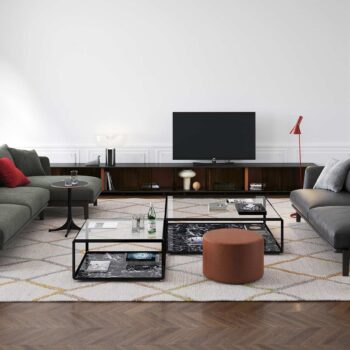
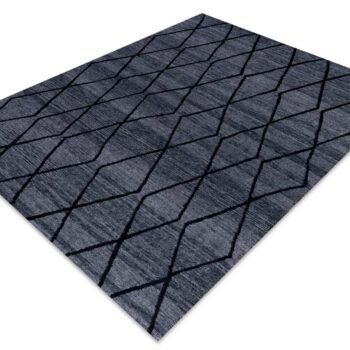
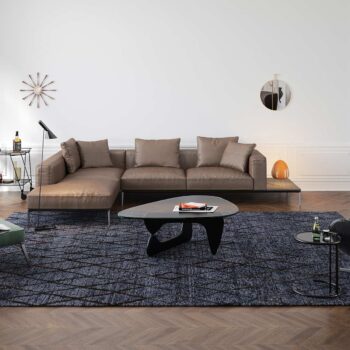
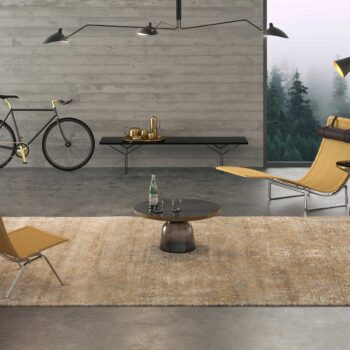
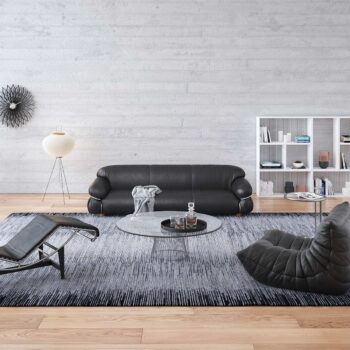
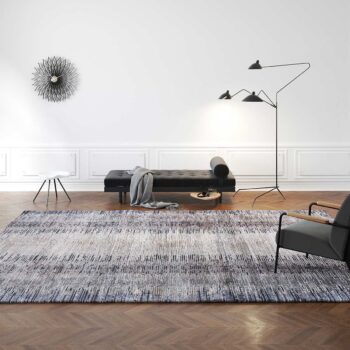
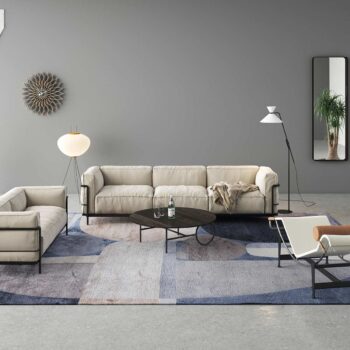
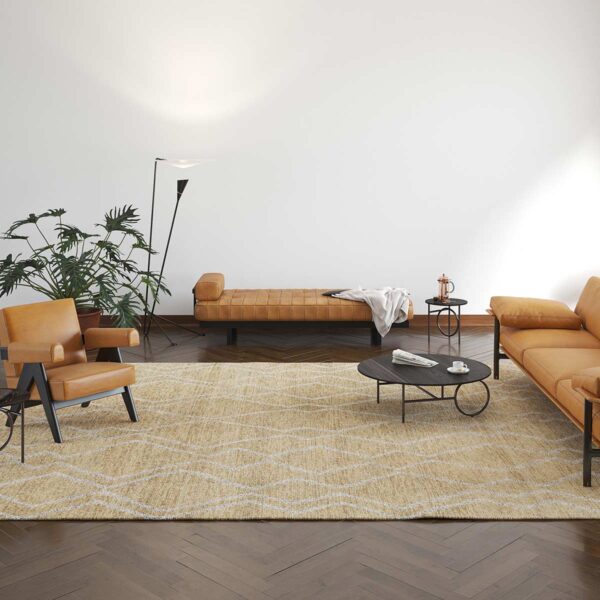
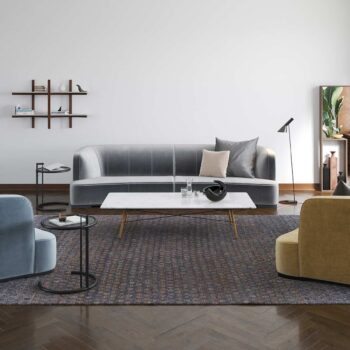
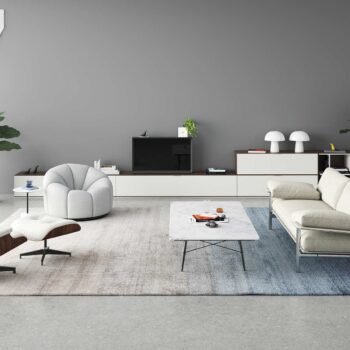
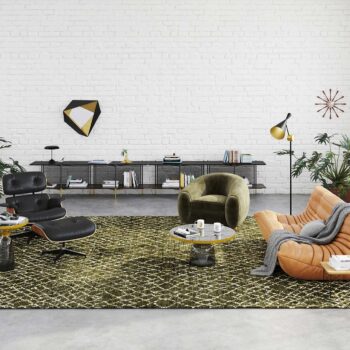
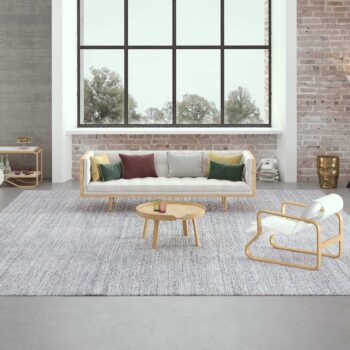
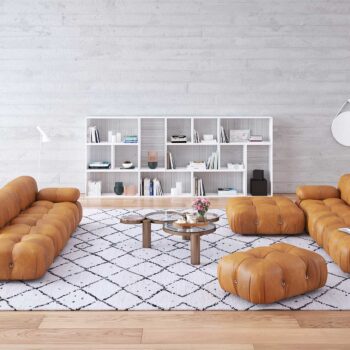
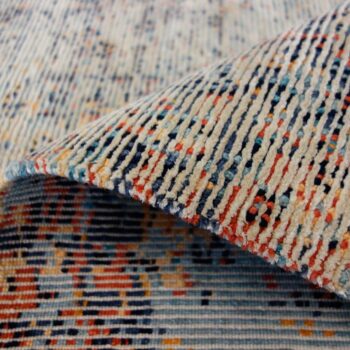
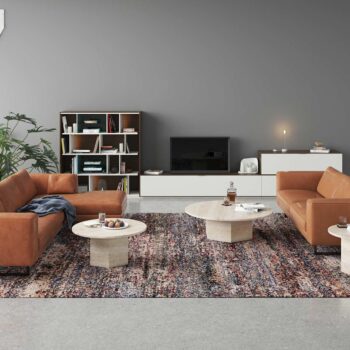
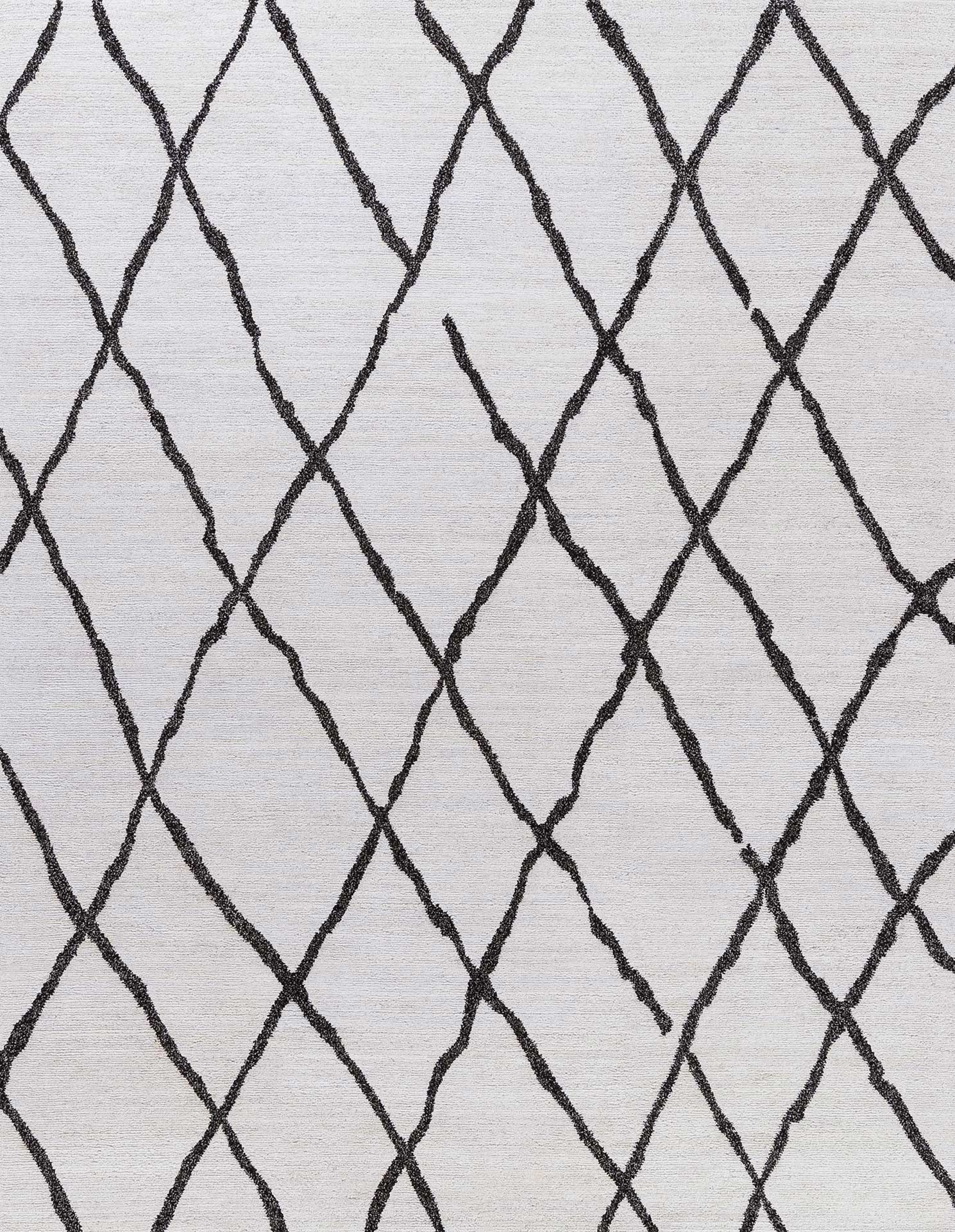
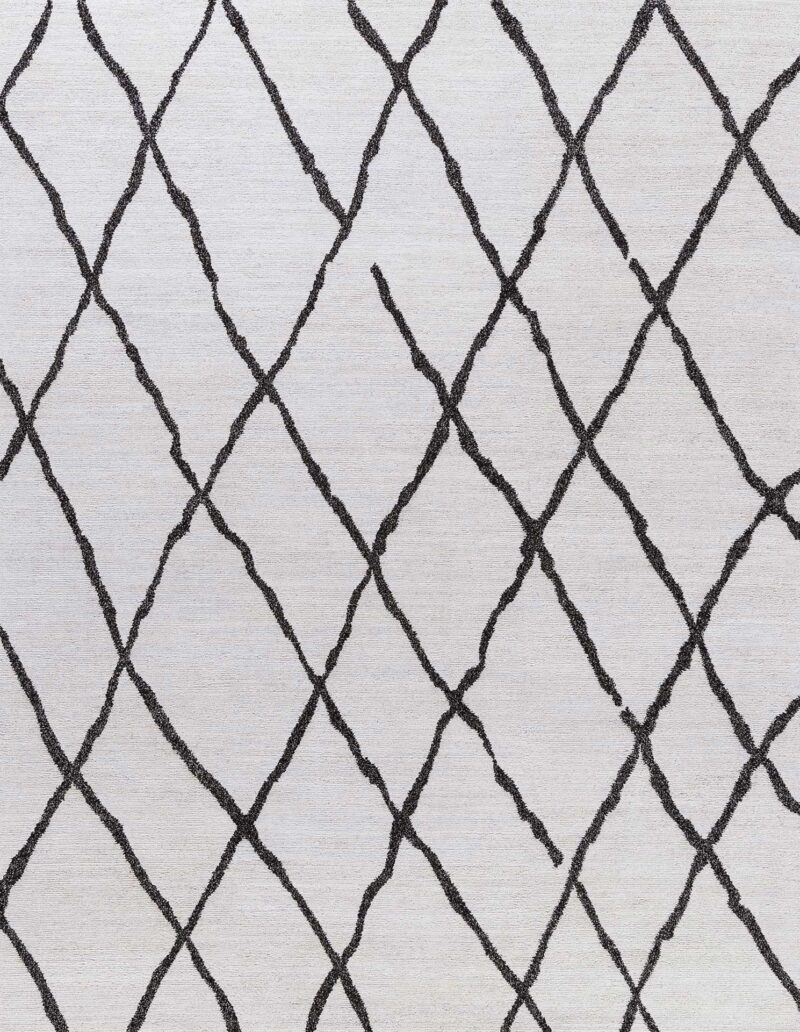
With the Marouk MK50 we are expanding our Marouk Collection with an expressive carpet that is entirely in the tradition of Berber carpets. Pure highland wool and a typical Berber diamond pattern give the Marouk MK50 a timeless naturalness that enhances every room and every ambience visually and sensually.

A people with a carpet history
The nomadic lifestyle of the Berbers was based not least on the fact that they were either merchants or lived from animal husbandry. On the one hand, new markets had to be found for the trade goods and new pastureland had to be found for the animals, both of which made moving around necessary.
Since this was not possible with heavy furniture, carpets became almost the only furnishing item. The Berbers sat on them, slept on them or under them and the tent walls were also hung with carpets to protect against the cold. The carpets were made from what was plentiful: sheep's wool.
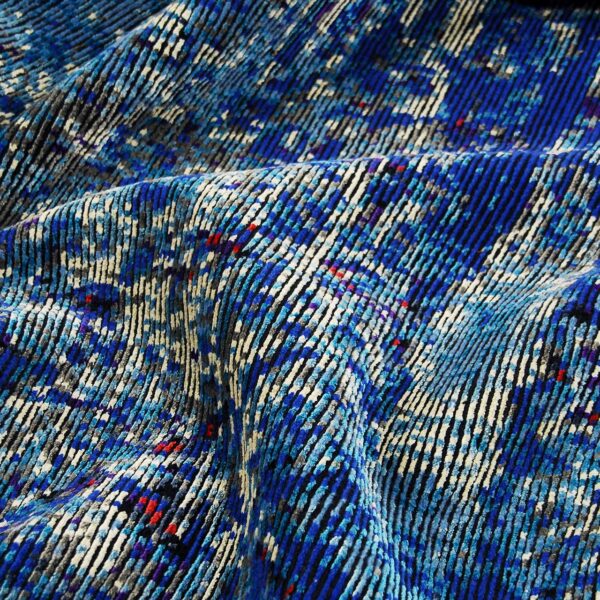
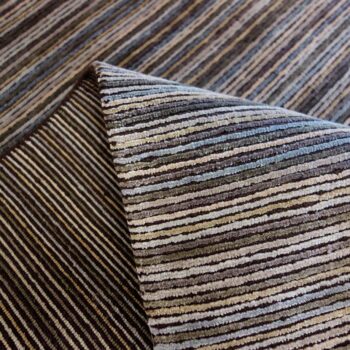
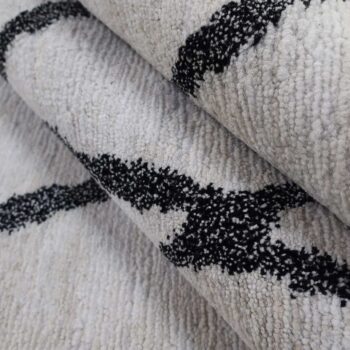
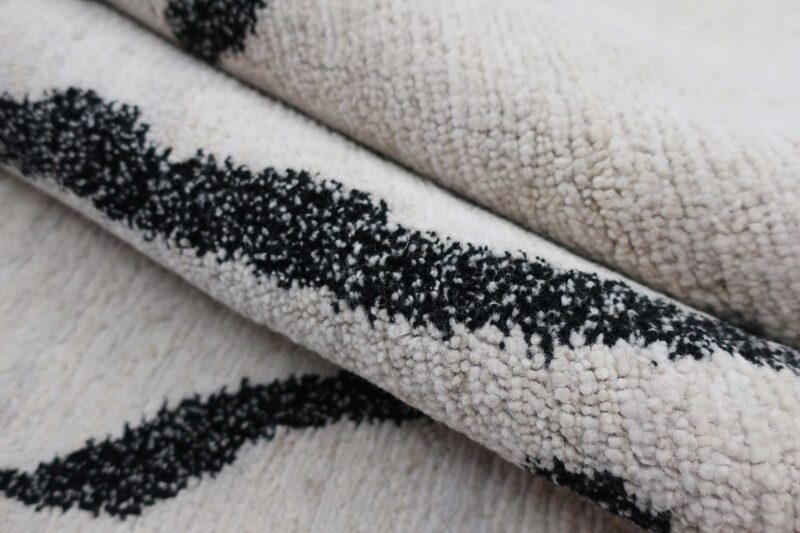
Since the Berber carpets were in many cases purely utilitarian objects, dyeing the wool or detailed patterning of the carpets was largely avoided. And our Marouk MK50 follows exactly this tradition. Pure virgin wool from highland sheep gives this carpet longevity and robustness that will delight for decades. Even busy walkways do not affect the carpet. The stable carpet structure goes hand in hand with a soft feel that makes walking barefoot a pleasure.
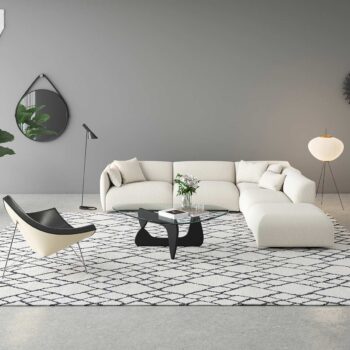
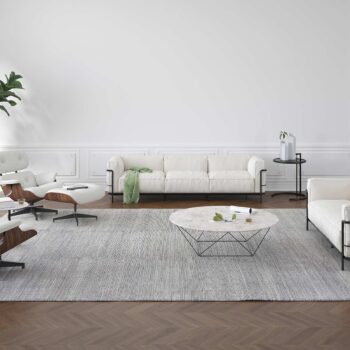
Wool white as the background color and the black diamonds make the carpet expressive and exciting in its spatial effect. The natural color gradients, so-called abrashes, which are created by using pure natural wool, ensure liveliness and movement in the design. With the Marouk MK50, the carpet manufacturer Mischioff bridges the gap between traditional carpet art and modern carpet design and is thus following the unbroken call for modern Berber carpets, which is now being pushed even by star architects.

Berber carpets from Nepal made by hand
Even though the stronghold for the creation of Berber carpets today is Morocco, we have our Marouk MK50, like all Mischioff carpets, weaving . The carpet manufactory in Nepal is the only Mischioff Manufactory in the world. This is the only way we can best fulfill our responsibility towards the people who are involved in the production of our fair trade carpets.
Numerous hours of pure handwork ensure the best workmanship and highest quality. Together with the Swiss fair trade label STEP, we ensure fair working conditions and respectful treatment of all employees.

Responsibility towards people and history
Among the Berbers it was customary for women to weave the carpets. And even today, the majority of people employed in carpet manufactory are women. Supporting the social and family environment is one of the tasks we feel committed to.
We participate in the construction of schools and kindergartens, thus ensuring the education and care of the children, we control the working hours and overall we want to make the lives and work of our carpet weavers social and worth living. This is the only way we can convey a real feeling of well-being with our fair trade carpets , which is not only based on the best quality, but also on the highest level of social responsibility.
The most important product data
for the Marouk MK50
Marouk collection- Design
MK50 - Material
100% Himalayan highland wool - Knotting
approx. 93,000 knots/m², Tibetan knot - Dimensions
orderable in individual custom size - Pile height
approx. 10 – 12 mm - Weight
approx. 4.0 kg / m² - Origin
Nepal
Order the Marouk MK50
The Marouk MK50 is available from stock in the standard size of 300 by 230 centimeters. However, any other size can also be realized upon request. Depending on the size, the delivery time for your individual desired carpet is approximately two to three months. We will be happy to advise you on the right size - or use our Retailer Search to name a sales partner in your area.
You are also welcome to use our virtual sampling service . You send us a photo - we put the carpet in it. This gives you a very good idea of the fit and spatial effect of the carpet before you order. Wherever you have questions or need assistance, please feel free to contact us.