
Catalog order
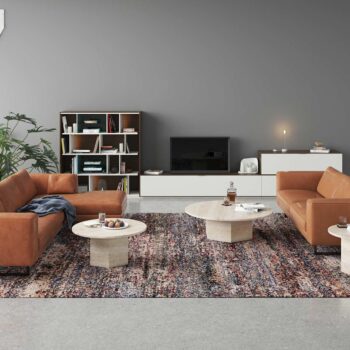
Order the current Mischioff carpet catalog!







inspiration
A carpet with Berber charm
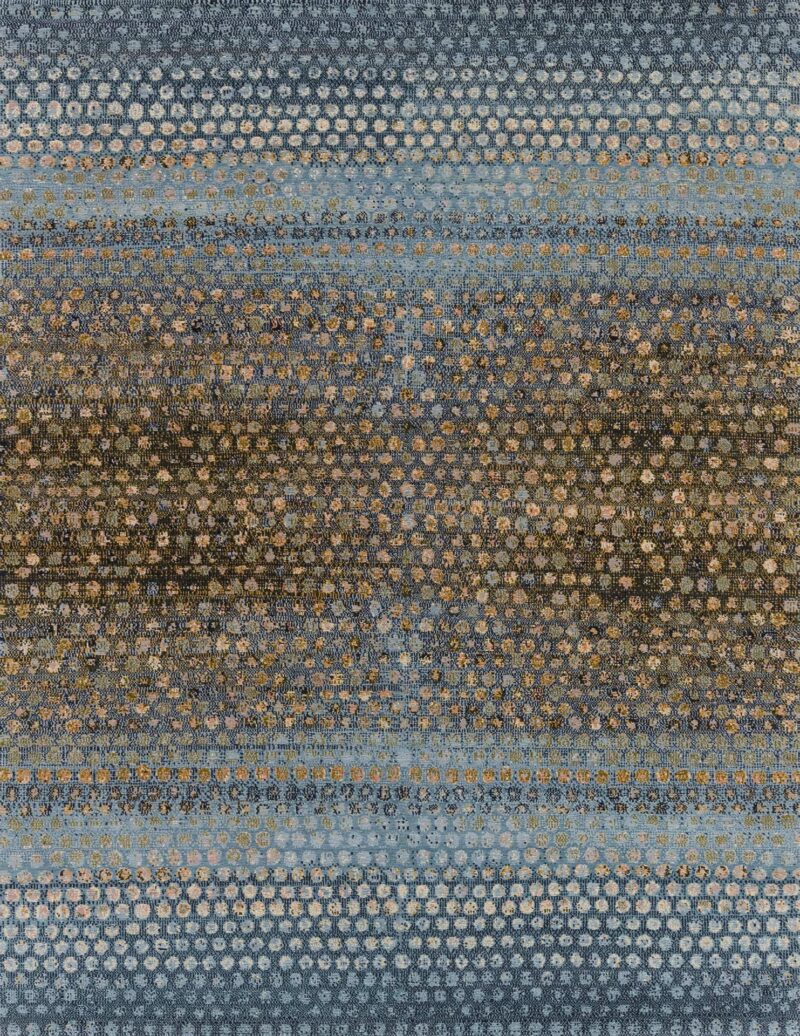
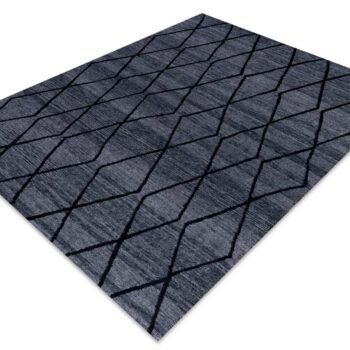
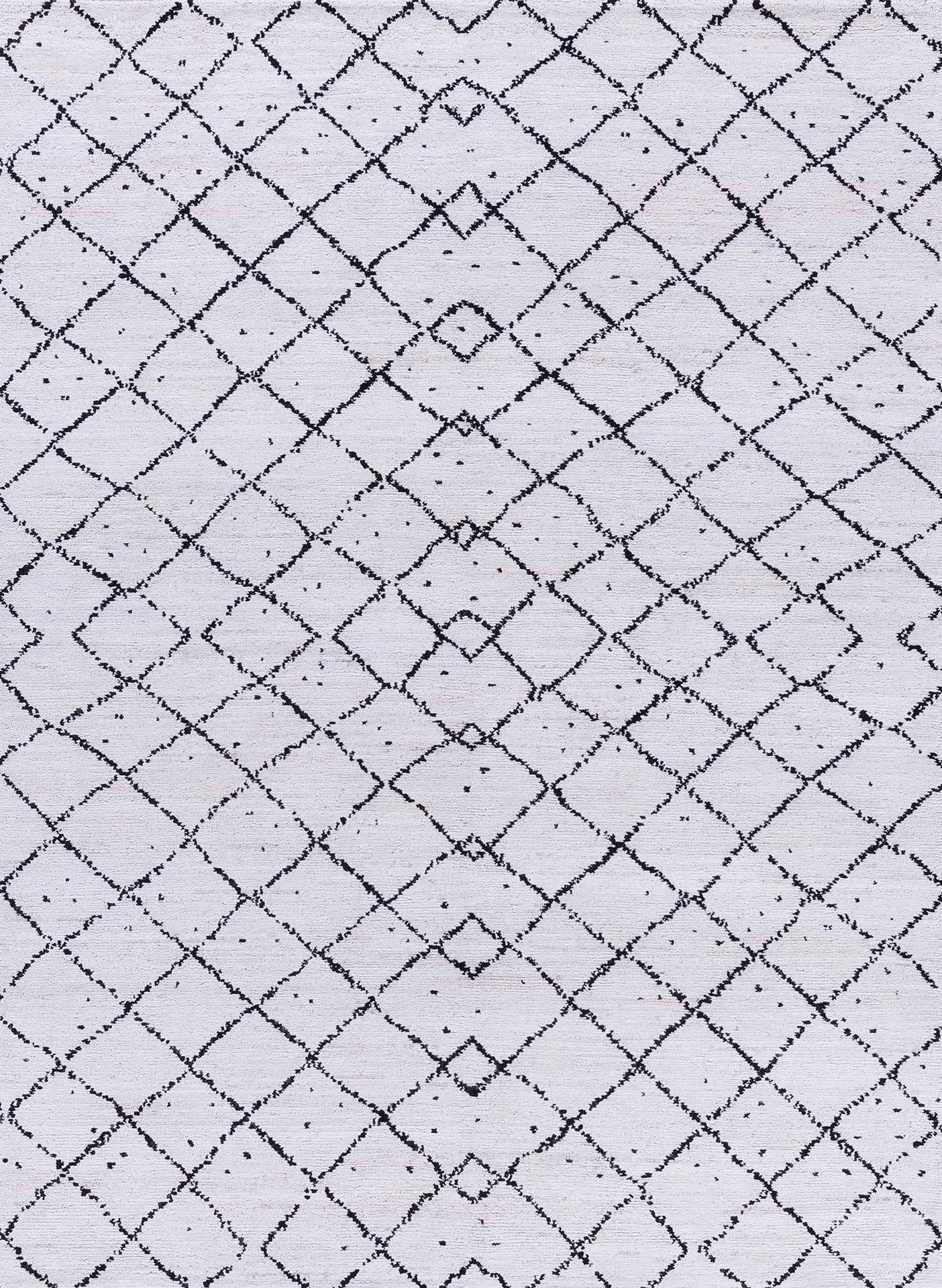
Marouk MK18
It is the great features that make Berber carpets so popular. They are usually rather simple in color, which means they fit into almost any living environment, the virgin wool makes them very robust and easy to care for, and they also have the typical “cuddly character” that radiates a lot of warmth and comfort.
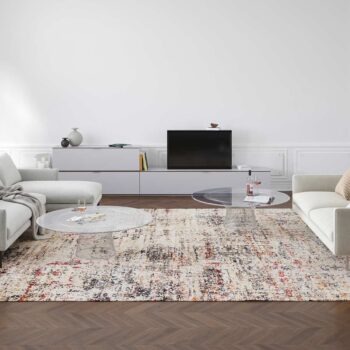
We make our Marouk MK18, a piece of jewelry with typical Berber charm, a Mischioff inspiration and show the cold season that it is warmly welcome to us.

Berber carpet made in Nepal
For the Berbers, carpets were more than just carpets; they were often the only furnishings in their nomadic tents. People ate and slept on a carpet like this and everyone sat together and listened to the stories of their ancestors. In fact, there is an ancient African tradition of storytelling that is now just as culturally valuable as the artisanal tradition of carpet making.
Since we don't want to tell fairy tales here, we won't pretend that our Marouk MK18 is a real Berber carpet . It cannot be that for the sole reason that it is knotted in our Manufactory in Nepal and not in Morocco or its neighboring countries. In their origins, Berber carpets were purely woven carpets , although Weaving has now also become established in the North African states.
100 percent pure Himalayan highland wool is used for the Marouk MK18. It is called highland wool because the sheep that produce it live high up in the mountains and not in the lowlands. Since the animals there are often exposed to extreme weather conditions, the wool is very dense, extremely robust and has a high wool wax content, which acts as a natural impregnation. This wool fat remains during and after carpet production.
The natural product pure new wool
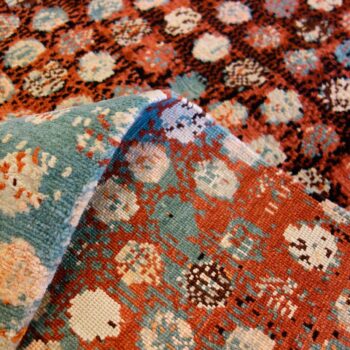
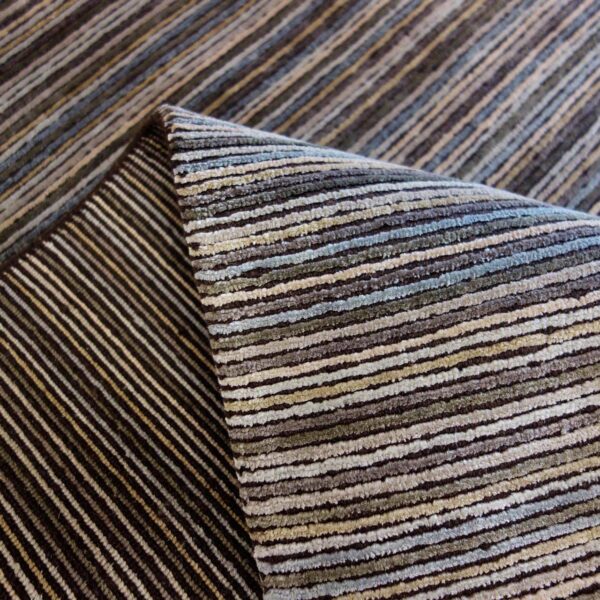
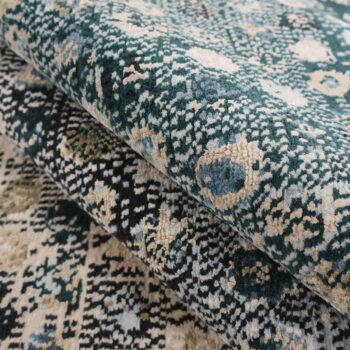
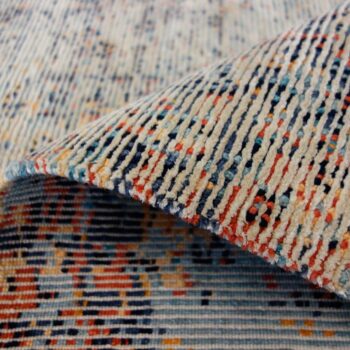
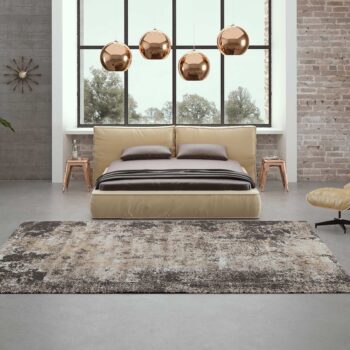
The result is the “cuddly character” of the Marouk MK18 mentioned above. It is particularly pleasant and gentle to the touch. By using this uniquely high-quality material, our Marouk MK18 becomes a wool carpet of the highest quality. But it is not just the natural product virgin wool that is responsible for the high quality; the further processing, purely by hand, is also an essential quality factor. Our new wool is spun and dyed by hand. As a result, the color image is never completely uniform and slight color nuances remain visible.
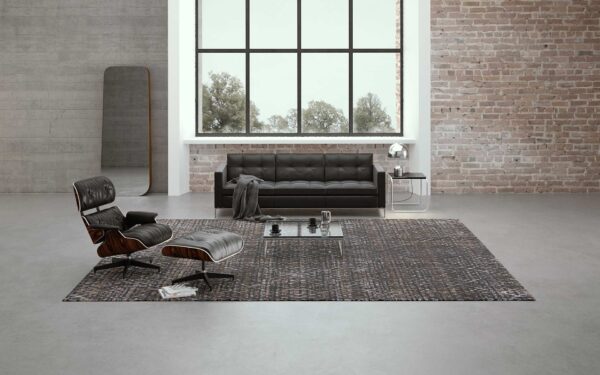
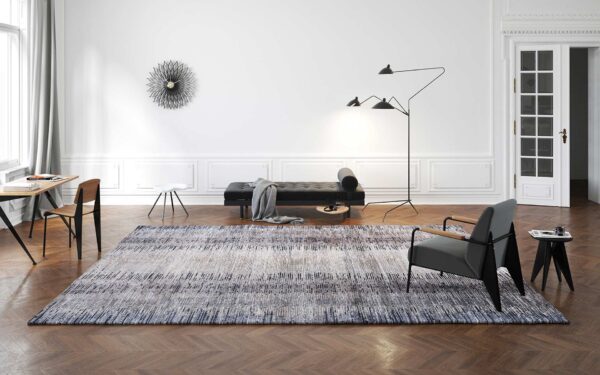
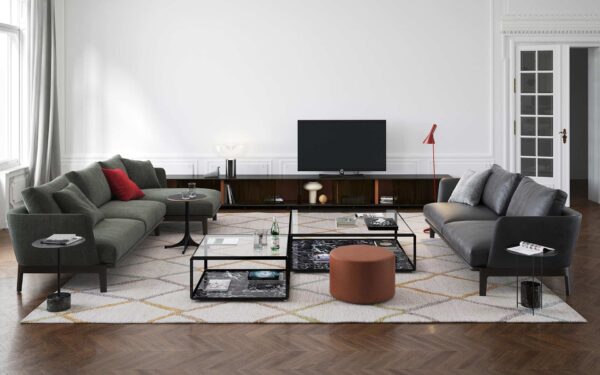
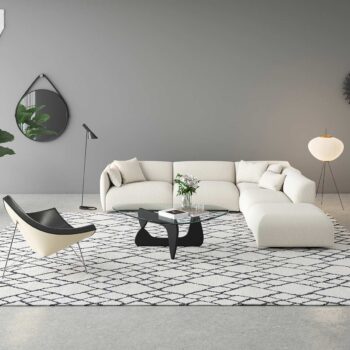
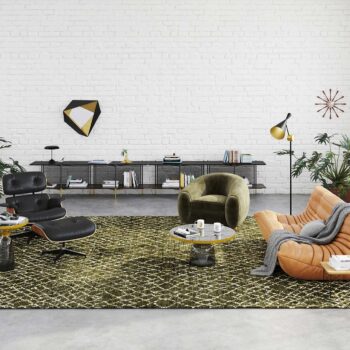
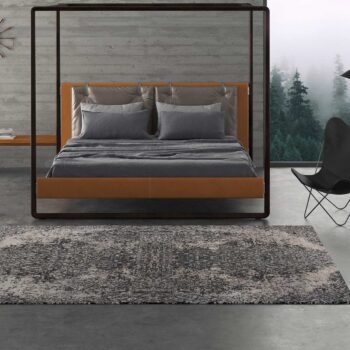
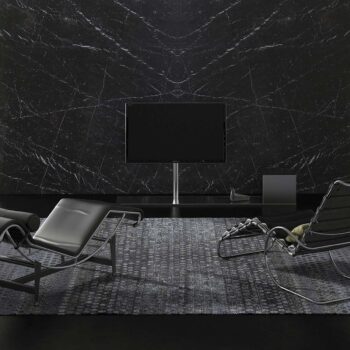
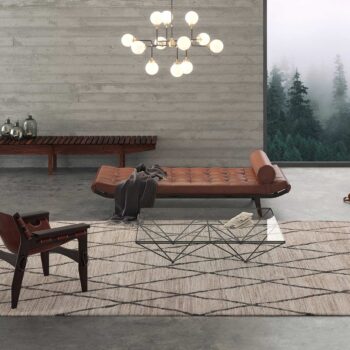
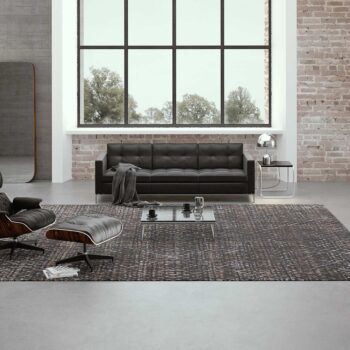
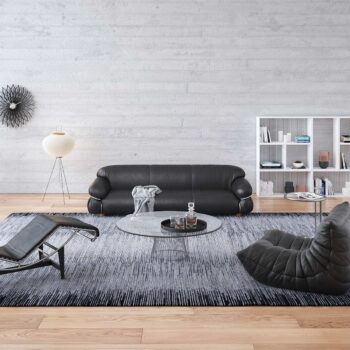
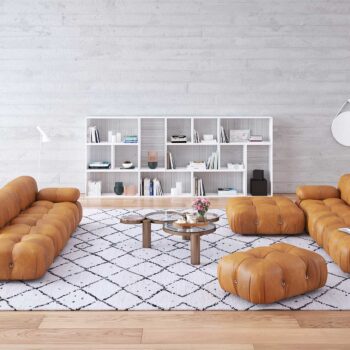
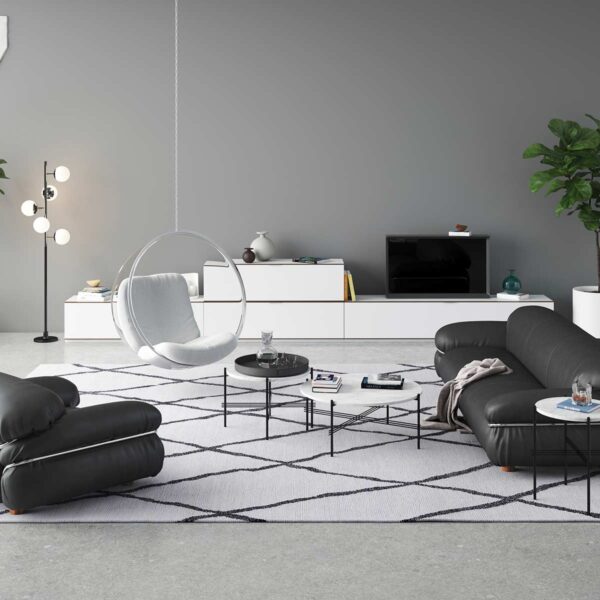
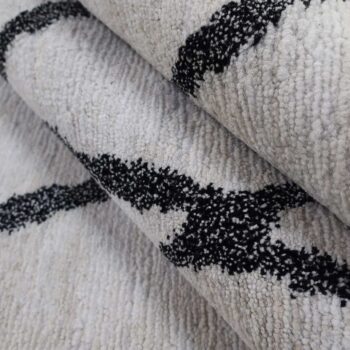
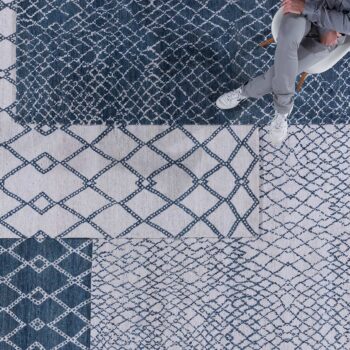
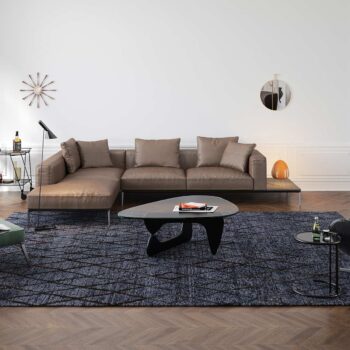
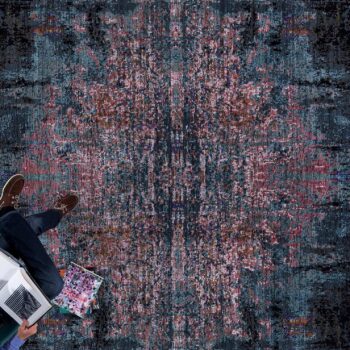
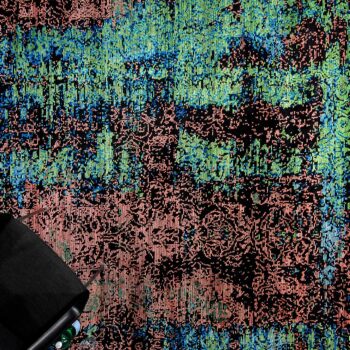
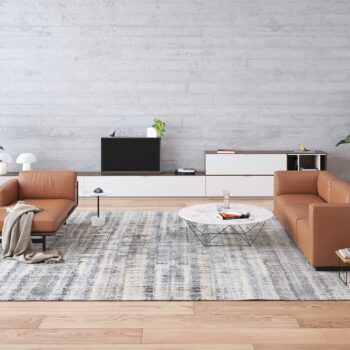
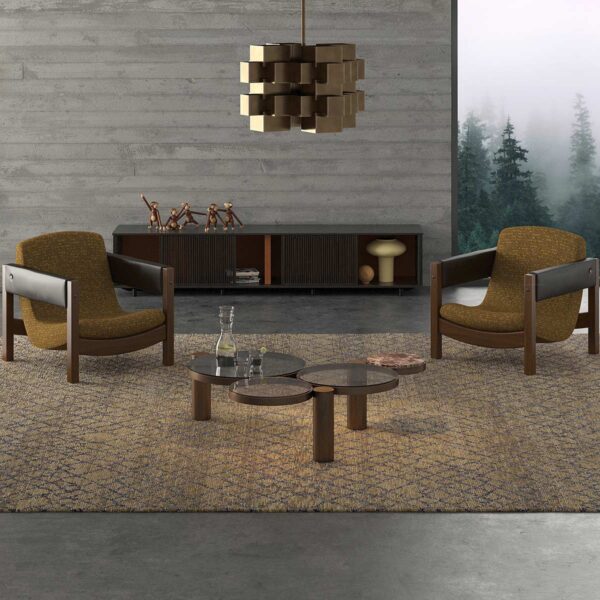
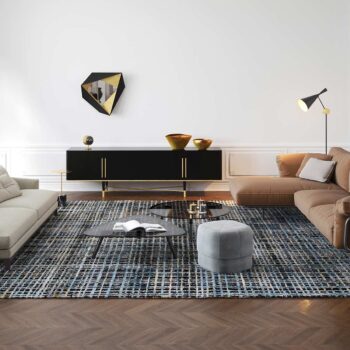
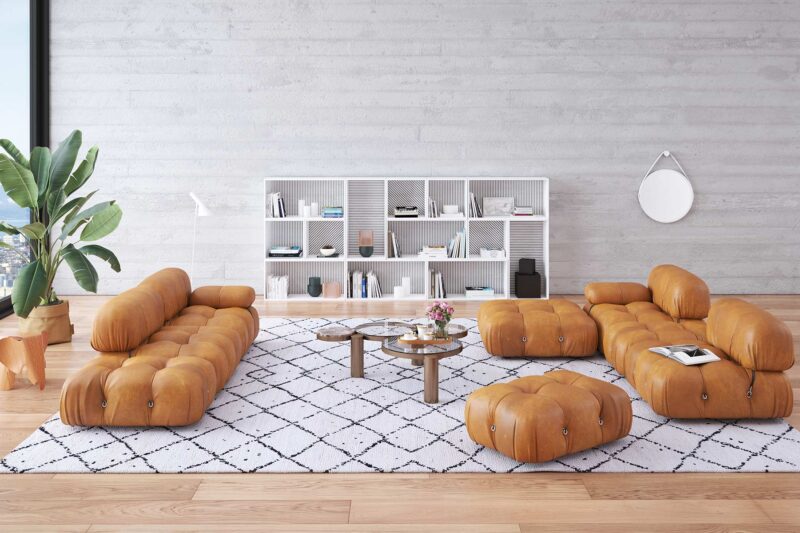
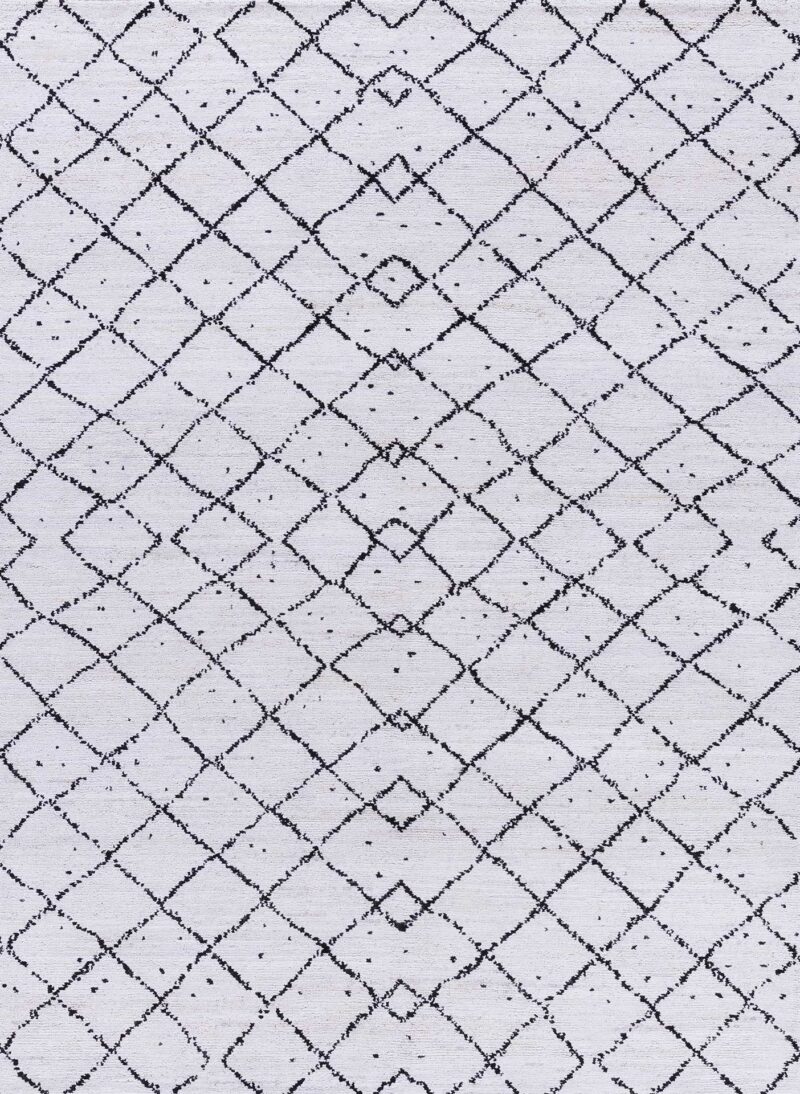
These so-called abrashes ensure liveliness and are always a sign of quality and craftsmanship. For the Berbers of North Africa, their carpets were neither decoration nor art, they were everyday objects, which is why great patterns were usually avoided. The Marouk MK18 also follows this tradition with its black diamond pattern.

The artistry of Weaving
Carpet weaving is an ancient human skill; carpets were first mentioned in ancient writings from the 2nd millennium BC. There are various theories about the origin of Weaving , none of which are considered certain. It is not unlikely that technology developed in different places at different times. Today, the traditional art of carpet weaving is part of humanity's intangible cultural heritage and is therefore particularly worthy of protection.
All Mischioff carpets made in our Manufactory And we are very aware that we claim a unique cultural heritage here. We therefore also bear responsibility for ensuring that this heritage remains alive. For us, this means that we pay special attention to the people who master the art of Weaving and carry it out every day. The Swiss fair trade label STEP is a welcome partner for us. The STEP employees are on site and work with us to ensure good and fair working conditions, safety at work and beyond. This is the only way fair trade carpets like the Marouk MK18 that meet our high quality standards.

The most important product data
for the Marouk MK18
Marouk collection- Design
MK18 - Material
100% Himalayan highland wool - Knotting
approx. 93,000 knots/m², Tibetan knot - Dimensions
orderable in individual custom size - Pile height
approx. 10 – 12 mm - Weight
approx. 4.0 kg / m² - Origin
Nepal
Order the Marouk MK18
The Marouk MK18 is manufactured in the standard size of 300 by 230 centimeters, but can also be ordered in any other desired size. If you are welcome to use our virtual sampling service , you can see in advance with the help of a photo how the carpet would look in your room.
We would also be happy to send you a carpet sample so that you can convince yourself of the unique quality of our Marouk MK18. Also take a look at the other carpets in the Marouk Collection and discover other pieces of jewelry in a traditional Berber look. Wherever you have questions or need assistance, please feel free to contact us.